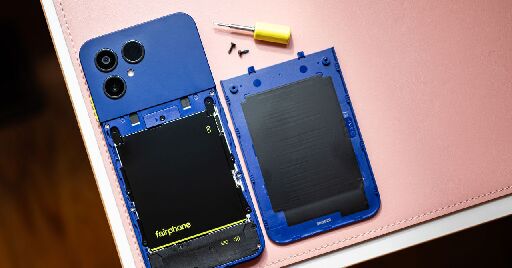
More than a decade after launching in Europe, the Netherlands company is now selling its repairable phones in the US, starting with the Fairphone (Gen 6+).
It wasn’t just the update cycle either, it’s that they don’t have the physical hardware chips to support Graphene’s minimum requirements for security, which would severely weaken any benefits you actually get from GrapheneOS.
It’s also missing hardware accelerated virtualization which is necessary for much of GrapheneOS’s sandboxing, has weak security for other keys in the OS keystore, is missing hardware memory tagging which makes it much easier for apps to use overflow attacks, doesn’t have proper verified boot support once a custom alternative OS is flashed, and leaves exposed debugging APIs even when the phone is locked.
This breaks:
Secure app spawning
Memory corruption protection
Integer overflow protection
Most of Graphene’s kernel hardening
Much of Graphene’s attack surface reduction abilities
Hardware-based attestation and security monitoring
Quick tile protection pre-unlock
Debugging access prevention
Verified Boot
The security of your PIN against any automated attack
At that point, GrapheneOS can’t physically provide you essentially any security anymore.
all android devices have been using file based disk encryption since several Android versions now.
the others are all good to have security features, but lets be honest, a proper sensors permission toggle does not require any of that, just like a dozen other features only GrapheneOS has. storage scopes, contact scopes, pin scrambling and the requirement of fingerprint + pin for unlocking the lock screen, duress pin, the user profile improvements
While that is true yes, their whole brand is built on being secure.
but if calyx would take their features they would be screaming loudly how unfair that is
If they release to Fairphone it won’t be long before the news is flooded with “Police easily bypass supposedly secure GraphoneOS”
that part I can understand. maybe release it under a different name, but they are probably not interested in that.
their code is open source, but they were so hostile with every other part of the free android community that nobody wants to deal with the shitstorm that would happen if they took patches from graphene.
initially the founder had issues with an old project member, who founded copperhead os, a competing rom. allegedly he took all the code from graphene for use in copperhead, without attribution, and it even involved money some way. these two were suing each other for a long time, there was brigading in chat rooms and forums and whatnot. then somehow the rage extended to other projects too, like f-droid and calyx os, which they also accused of brigading and more, so that anyone mentioning calyx os in graphene rooms gets banned from there on sight.
I don’t have enough information to be certain about which projects were actually hostile to graphene and which not, but people have been calling the graphene founder paranoid for thinking everyone wants to destroy their project. the founder was writing a lot on twitter and other places, mostly (but not only) with tye official graohene os account. he stepped down from being the project leader a year or two ago.
all android devices have been using file based disk encryption since several Android versions now.
All Android devices are supposed to support it, but not all do. (or at least, not all do effectively without compromising the cryptographic root of trust by not implementing proper hardware security chips)
I’ll grant it to you on the scopes, PIN changes, etc, but realistically I just don’t think anyone can justify GrapheneOS being something that should be supported on Fairphone given how absolutely desolate the phone looks with regard to any attempt at all to hardware security.
It really depends on what security level you want out of a phone. Most people are concerned with a pickpocket stealing and being able to access everything. Most of the world doesn’t need the security level required to pass through the united states border control. Which they will just force to put the pin anyways or put you in jail for even having a secure device.
It really depends on what security level you want out of a phone
It does, but that’s exactly my point. GrapheneOS will provide you essentially no more security than any other alternative Android operating system, should it have to operate on a Fairphone with all those features not supported by a Fairphone stripped away.
Unless Fairphone adds more hardware security features that are standard on most other phones, and highly supported on Pixels, installing a heavily crippled GrapheneOS on a Fairphone would get you essentially none of the benefits of GrapheneOS in the first place.
Well sans duress password being a good idea now, when you get to the border, you can either unlock it or they’ll just confiscate it. You don’t get to be on their list and go through with a phone because they can’t manage to decrypt it.


No I think you are thinking of calyx. Graphene repeatedly asserted that they won’t support fairphone because of the slow update.
It wasn’t just the update cycle either, it’s that they don’t have the physical hardware chips to support Graphene’s minimum requirements for security, which would severely weaken any benefits you actually get from GrapheneOS.
not any, but some benefits, and GrapheneOS maintainers are perfectionists
Entirely lacking disk encryption for typical users due to not having a secure element is a pretty major flaw.
It’s also missing hardware accelerated virtualization which is necessary for much of GrapheneOS’s sandboxing, has weak security for other keys in the OS keystore, is missing hardware memory tagging which makes it much easier for apps to use overflow attacks, doesn’t have proper verified boot support once a custom alternative OS is flashed, and leaves exposed debugging APIs even when the phone is locked.
This breaks:
At that point, GrapheneOS can’t physically provide you essentially any security anymore.
all android devices have been using file based disk encryption since several Android versions now.
the others are all good to have security features, but lets be honest, a proper sensors permission toggle does not require any of that, just like a dozen other features only GrapheneOS has. storage scopes, contact scopes, pin scrambling and the requirement of fingerprint + pin for unlocking the lock screen, duress pin, the user profile improvements
all this does not require any hardware support.
https://grapheneos.org/features
While that is true yes, their whole brand is built on being secure.
If they release to Fairphone it won’t be long before the news is flooded with “Police easily bypass supposedly secure GraphoneOS”
And that’s not a look they’d want.
I like their stance on All or Nothing.
Motorola is shipping with GraphineOS soon.
but if calyx would take their features they would be screaming loudly how unfair that is
that part I can understand. maybe release it under a different name, but they are probably not interested in that.
their code is open source, but they were so hostile with every other part of the free android community that nobody wants to deal with the shitstorm that would happen if they took patches from graphene.
This is news to me, how were they hostile?
I would think they’d be happy if others also implement security features
initially the founder had issues with an old project member, who founded copperhead os, a competing rom. allegedly he took all the code from graphene for use in copperhead, without attribution, and it even involved money some way. these two were suing each other for a long time, there was brigading in chat rooms and forums and whatnot. then somehow the rage extended to other projects too, like f-droid and calyx os, which they also accused of brigading and more, so that anyone mentioning calyx os in graphene rooms gets banned from there on sight.
I don’t have enough information to be certain about which projects were actually hostile to graphene and which not, but people have been calling the graphene founder paranoid for thinking everyone wants to destroy their project. the founder was writing a lot on twitter and other places, mostly (but not only) with tye official graohene os account. he stepped down from being the project leader a year or two ago.
All Android devices are supposed to support it, but not all do. (or at least, not all do effectively without compromising the cryptographic root of trust by not implementing proper hardware security chips)
I’ll grant it to you on the scopes, PIN changes, etc, but realistically I just don’t think anyone can justify GrapheneOS being something that should be supported on Fairphone given how absolutely desolate the phone looks with regard to any attempt at all to hardware security.
It really depends on what security level you want out of a phone. Most people are concerned with a pickpocket stealing and being able to access everything. Most of the world doesn’t need the security level required to pass through the united states border control. Which they will just force to put the pin anyways or put you in jail for even having a secure device.
It does, but that’s exactly my point. GrapheneOS will provide you essentially no more security than any other alternative Android operating system, should it have to operate on a Fairphone with all those features not supported by a Fairphone stripped away.
Unless Fairphone adds more hardware security features that are standard on most other phones, and highly supported on Pixels, installing a heavily crippled GrapheneOS on a Fairphone would get you essentially none of the benefits of GrapheneOS in the first place.
once again, that is completely false. I’m fed up with all the people pretending that all grapheneos adds is hardware security.
Well sans duress password being a good idea now, when you get to the border, you can either unlock it or they’ll just confiscate it. You don’t get to be on their list and go through with a phone because they can’t manage to decrypt it.